
.webp)
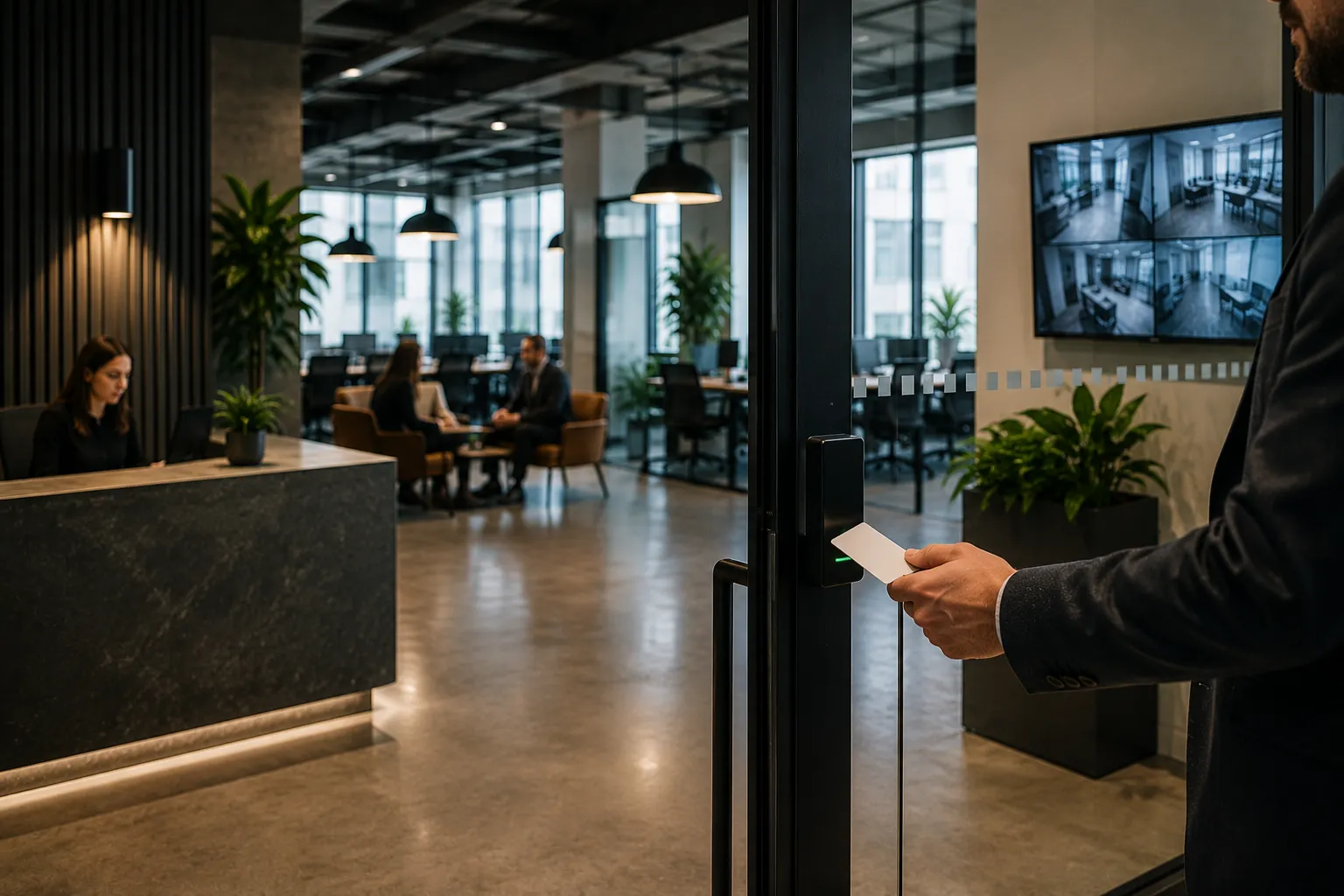
Many offices still use a paper sign-in sheet at the front desk.
It is simple, familiar, and easy to set up.
But as companies grow, welcome more guests, and manage more complex workplace security needs, paper sign-in sheets can quickly become outdated.
That is why many organizations move to visitor management software.
The short answer: A paper sign-in sheet records basic visitor information manually, while visitor management software creates a digital check-in process that can notify hosts, print badges, collect signed documents, store visitor logs, and improve office security.
Both approaches help track visitors.
But they create very different experiences.
A paper sign-in sheet is a physical log where visitors write down their information when they arrive.
It may include:
Paper sign-in sheets are common in small offices because they are inexpensive and easy to use.
But they have limitations.
Visitor management software is a digital system for managing office guests.
It helps companies:
Instead of relying on a clipboard, companies use software to create a more consistent, secure, and professional process.
Category
Paper Sign-In Sheet
Visitor Management Software
Check-in process
Manual
Digital
Host notifications
Manual
Automated
Visitor logs
Physical paper
Searchable digital records
Badge printing
Manual or unavailable
Often supported
NDA/document signing
Paper forms
Digital signatures
Privacy
Visitors may see other names
More private
Multi-location support
Difficult
Easier to standardize
Reporting
Manual
Built-in reporting
Security visibility
Limited
Stronger
With a paper log, visitors can often see the names of previous guests.
That may not be ideal for companies that care about privacy, confidentiality, or security.
Reception teams often need to call, message, or email hosts manually.
This creates delays and extra work.
If someone asks who visited last Thursday, finding that answer may require flipping through paper records.
Digital visitor logs make this much easier.
A paper sheet does not easily show who is currently in the building, who has checked out, or whether required documents were signed.
Paper processes often vary by office, receptionist, or location.
That makes it harder to create a consistent brand experience.
A digital visitor check-in experience feels more modern and professional.
Guests can check in quickly, receive clear instructions, and notify their host automatically.
Visitor management software stores guest activity in a searchable digital log.
This helps with reporting, audits, compliance, and security reviews.
Hosts can receive arrival alerts through email, Slack, Microsoft Teams, or other workplace tools.
This reduces waiting time in the lobby.
Visitor badges help employees identify guests in the office.
Badges may include the visitor’s name, company, host, date, and visitor type.
Companies can collect NDAs, safety acknowledgments, visitor policies, or confidentiality agreements during check-in.
This eliminates paper forms and manual filing.
A paper sign-in sheet may be enough for very small offices with few visitors and minimal security requirements.
But as visitor volume increases, the manual process usually becomes harder to manage.
Visitor management software is usually a better fit when companies need:
Paper sign-in sheets are simple, but visitor management software provides a more secure, professional, and scalable way to manage office guests.
For modern workplaces, the difference is not just digital vs paper.
It is the difference between a manual lobby process and a connected visitor experience.
For most growing companies, yes. Visitor management software provides better privacy, host notifications, visitor logs, badge printing, and document collection.
Paper logs can be less secure because visitors may see previous entries and records are harder to search, protect, or manage.
Yes. Many visitor management systems can collect digital signatures for NDAs, visitor policies, waivers, or other required documents.
Visitor badges help employees identify guests and understand who is authorized to be in the workplace.

A workplace experience platform that brings your hybrid team together.