

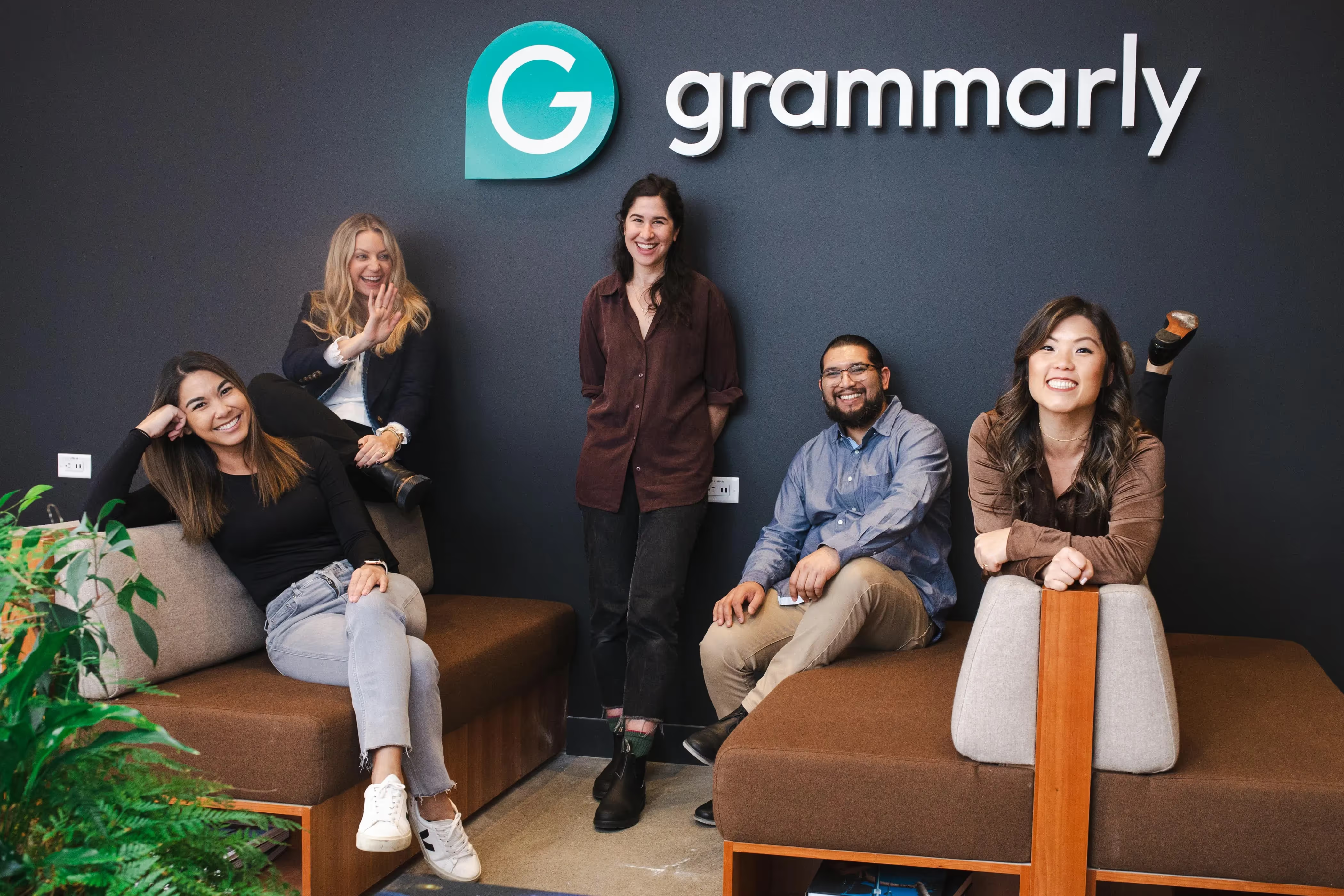
Before the pandemic, Grammarly operated a traditional five-day office workweek. Post-pandemic, they needed to pivot to a hybrid model while ensuring their culture of collaboration remained strong.
Key challenges emerged: balancing autonomy with structured collaboration, creating in-office experiences that went beyond just "being there," and designing spaces that supported both deep focus work and high-energy team synergy.
Employee surveys revealed that over 90% of team members didn't need to be in the office daily. Consequently, Grammarly adopted a remote-first hybrid model centered around "planned on-sites," where teams come together for meaningful moments of collaboration, like engagement weeks and project sprints.
To operationalize this, they needed a platform that could handle complex booking scenarios and provide granular data on space usage.
Grammarly integrated Tactic as their powerful desk and room booking platform to:
Grammarly successfully shifted to a flexible, safe-style environment without rigid mandates. By empowering managers to plan in-person work that aligns with their teams' specific goals, they achieved a balance of autonomy and connection.
The "white glove" service from Tactic's support team helped meet teams halfway, driving engagement and ensuring the hybrid workplace fostered connection rather than confusion.
"We're seeing a shift to more flexible, cafe-style environments. Tactic has been a key partner, helping us book and manage these dynamic workspaces effortlessly."
Grammarly continues to evolve their hybrid work model—listening to team member feedback and adapting to new needs. In Tiffany's words: "It's a learning and ongoing process. Our Workplace Experience Team always has to be the most adaptable." With Tactic as a trusted partner, Grammarly is shaping a flexible, connected workplace that empowers every team member, wherever they are.

A workplace experience platform that brings your hybrid team together.