
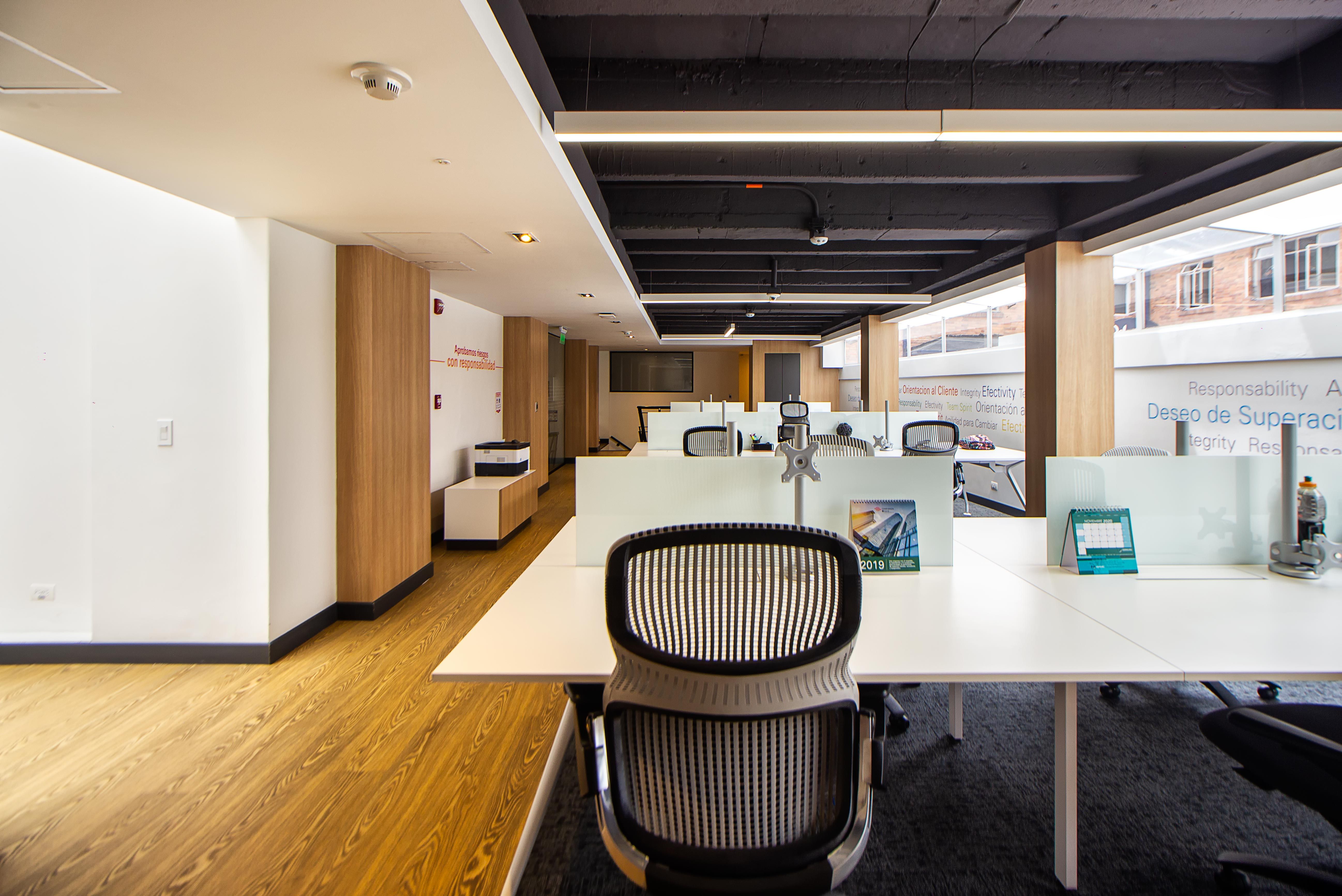
An unused desk reservation should be released only when your policy defines a clear release trigger and the available evidence shows the employee is unlikely to use the desk. The workplace operations team should handle the routine review, while the employee or designated team contact should handle exceptions such as delayed travel, accessibility needs, or a reservation that supports a colleague.
A desk can appear empty for several different reasons. The employee may have arrived later, moved to another approved seat, left temporarily, or reserved the space to support a work requirement that is not visible from the floor.
There is also a difference between an unused reservation and an inaccurate record. A booking may be active even though the employee checked in through another channel, while a desk may look occupied because personal items remain after the reservation holder has left. Releasing either reservation without checking the context can create a second problem for someone who needs the space.
Start with the narrow question your team needs to answer: is there enough evidence to make this desk available under the current booking policy? Do not treat occupancy appearance alone as proof of misuse.
A release decision is strongest when it combines a published rule with an observable condition. For example, a policy might allow a reservation to be released after a defined no-show window, provided the employee has not checked in or notified the workplace team of an exception.
The exact window should come from your operating policy, not from a generic benchmark. Consider the practical tradeoff: a shorter window improves the chance that an unclaimed desk can be reused, while a longer window reduces the risk of disrupting employees whose arrival patterns are predictable but delayed.
Do not release a reservation simply because the desk is empty at one observation point. Before acting, check whether:
Routine no-shows can follow the standard release rule. Exceptions should not be treated as evidence that the rule is wrong. They should be recorded and reviewed separately so the team can see whether the policy is creating recurring friction.
Potential exceptions include a delayed commuter train, a last-minute change in an in-office day, a desk reserved for a colleague, or a need for a particular monitor or accessibility setup. In these cases, releasing the desk may be less important than preserving continuity and avoiding a forced move.
The employee owns the accuracy of the reservation when they can update it. Workplace operations owns the application of the release policy and the handling of unresolved cases. A manager, team coordinator, or accessibility contact may need to confirm an exception, but should not become the default reviewer for every empty desk.
| Decision point | What to evaluate |
|---|---|
| Clear no-show | Apply the published no-show rule only after checking the reservation and available presence signals. |
| Known exception | Preserve the booking when a documented delay or approved exception exists. |
| Conflicting evidence | Do not release from visual observation when a check-in or approved presence signal exists. |
| Special requirement | Use an exception path for accessibility, equipment, or neighborhood requirements. |
| Recurring pattern | Review the policy and booking workflow when the same pattern repeats. |
Use the matrix below as an investigation sheet. Record what was observed, which rule applies, who can decide, and what follow-up is needed.
A visible pattern of empty desks can reflect more than employee noncompliance. Employees may reserve early because supply appears limited, keep bookings after plans change, misunderstand check-in expectations, or lack an easy way to cancel. Teams may also be measuring bookings instead of actual presence, which can make the office look fuller than it is.
Compare the reservation record with the signals your organization is permitted to use, such as check-in data, cancellation history, workplace requests, or a documented observation. Keep the purpose narrow. The goal is to decide whether a reservation should remain active and whether the operating rule is understandable, not to build an unnecessary employee surveillance process.
If employees frequently need to change reservations, improve the surrounding communication and cancellation experience before adding penalties. Tactic describes desk and resource booking as part of its workplace management platform, which can give teams a relevant system context to evaluate when reviewing booking workflows.
A workable rule should answer four questions in plain language: what counts as an unused reservation, when review begins, who can release it, and how an employee records an exception. Publish the rule where employees make or manage reservations, and use the same terms in workplace communications.
Avoid promising that every empty desk will become immediately available. The policy should explain its limits, including how accessibility requirements, assigned seating, equipment needs, and team neighborhoods affect reassignment.
For a deeper review of evidence quality, compare your approach with Tactic's guidance on credible desk booking customer proof. The useful lesson is to examine the workflow change and supporting evidence, rather than relying on a broad claim that booking data improved the workplace.
No. An empty desk is an observation, not a complete explanation. Release it only when the applicable policy condition is met and no check-in, exception, accessibility requirement, or other approved use contradicts the release.
Workplace operations should manage the exception path, while the employee or designated contact should provide the information needed to preserve the reservation. Escalate only when the exception affects access, safety, or a specialized workspace requirement.
Review whether employees understand cancellation and release rules, whether the booking experience supports changes, and whether the policy creates incentives to reserve defensively. Apply individual corrective action only after checking for a broader workflow or communication problem.